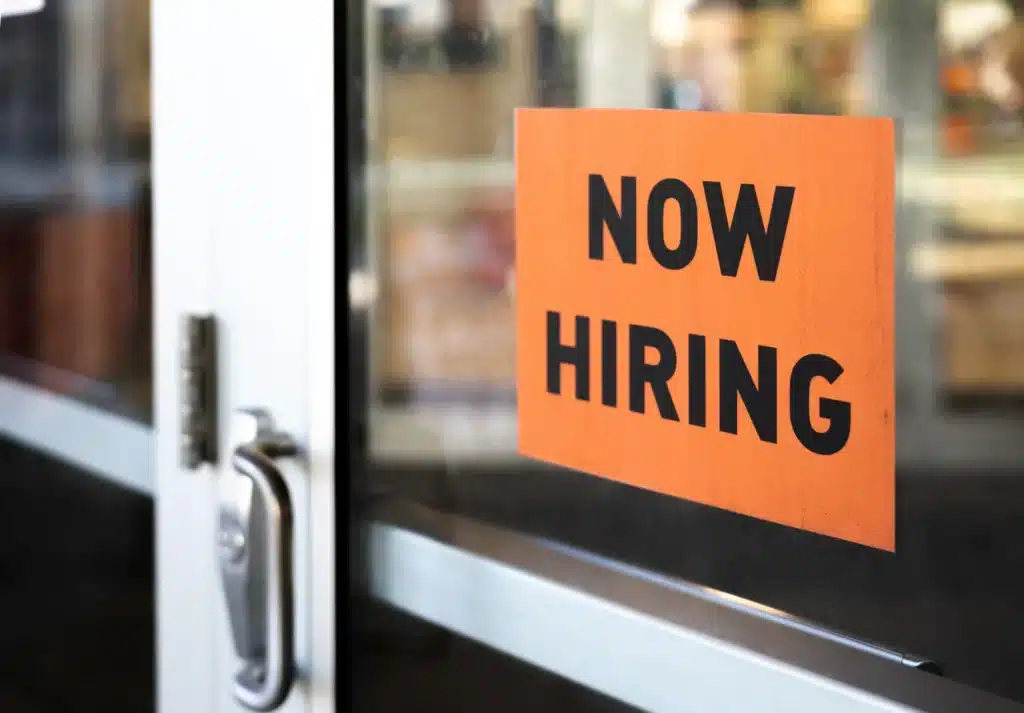
The U.S. labor market showed renewed strength in March, rebounding after an unexpected decline the month prior, according to newly released federal data.
On Friday, the Department of Labor reported that employers added 178,000 jobs during the month—far surpassing the 60,000 increase economists surveyed by LSEG had anticipated. The unemployment rate edged down to 4.3%, slightly better than projections of 4.4%, reports Fox Business.
Updates to earlier reports adjusted the prior two months’ figures. January’s job gains were revised upward by 34,000, from 126,000 to 160,000. Meanwhile, February’s numbers were revised lower by 41,000, changing from a reported loss of 92,000 jobs to a decline of 133,000. Altogether, employment for those two months was 7,000 lower than previously estimated.
Private-sector hiring proved especially strong, with 186,000 jobs added in March—well above the 70,000 forecast. February’s private payroll losses were also revised downward, from a decline of 86,000 to 129,000.
Government employment moved in the opposite direction, with payrolls shrinking by 8,000 jobs. Federal employment dropped by 18,000 and state-level jobs fell by 4,000, though local governments partially offset those losses by adding 14,000 positions.
Several industries posted notable gains. Manufacturing added 15,000 jobs, outperforming expectations that it would lose 5,000 positions. February’s manufacturing losses were also adjusted to a smaller decline of 6,000 from the previously reported 12,000.
Healthcare led job growth with an increase of 76,400 positions. Much of that came from ambulatory healthcare services, which added 54,300 jobs, including the return of 35,000 workers in physicians’ offices following a strike. Hospitals also contributed, adding 14,900 jobs.
Construction employment rose by 26,000, though the sector has seen little overall change over the past year. Transportation and warehousing added 21,000 jobs, largely driven by a 20,400 increase in couriers and messengers. However, employment in that sector remains 139,000 below its February 2025 peak.
Social assistance employment increased by 13,500 jobs, with most of the growth coming from individual and family services, which added 10,900 positions.
Not all sectors saw gains. Financial services shed 15,000 jobs, primarily due to a decline of 16,200 in finance and insurance. Employment in that sector is now down 77,000 from its peak in May 2025.
The number of long-term unemployed—those out of work for 27 weeks or longer—remained largely unchanged at 1.8 million in March but has risen by 322,000 over the past year. These individuals made up 25.4% of all unemployed workers.
Meanwhile, 4.5 million people were working part-time for economic reasons, a figure that changed little in March. These workers indicated they would prefer full-time employment but faced reduced hours or difficulty finding full-time roles.
The labor force participation rate held steady at 61.9%, while the employment-population ratio stood at 59.2%, both showing minimal movement over the past year.
“This year will most likely be a year of shifting labor dynamics as artificial intelligence upends the job market, especially for low-skilled roles. We continue to see healthy job opportunities for workers with experience,” said Jeffrey Roach, chief economist for LPL Financial.
“Average hourly earnings rose 3.5% from a year ago, giving consumers enough buying power to overcome nagging inflation. This update on the job market gives the Federal Reserve more time to wait for inflation to decelerate before taking action,” Roach added.