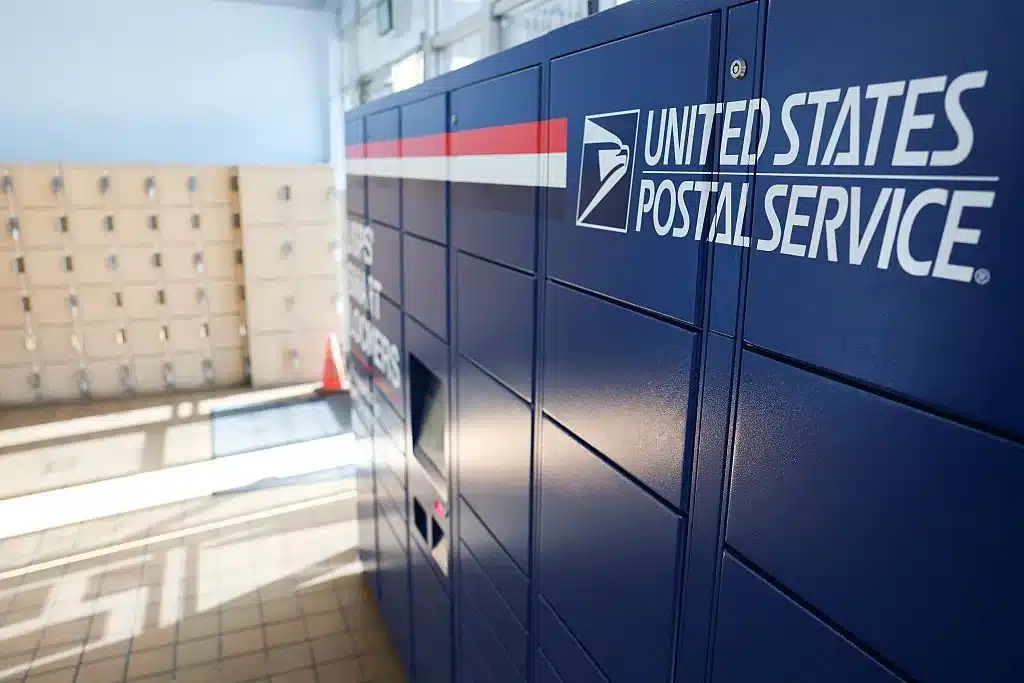
Postmaster General David Steiner dropped a bombshell at a Senate Homeland Security and Governmental Affairs Committee hearing Wednesday, confirming that the U.S. Postal Service will refuse to deliver mail-in ballots to any state that withholds voter registration data from the federal government. According to The Hill, Steiner was direct and unapologetic in his testimony, backing a proposed rule born directly from President Trump’s March executive order aimed at cracking down on mail-in ballot fraud. The message from the administration is crystal clear: if you want the federal mail system to carry your ballots, you play by rules that protect election integrity.
This is exactly the kind of decisive, common-sense leadership Americans elected Donald Trump to deliver. The rule would require states to hand over their absentee voter lists to the Postal Service at least 60 days before any federal election, giving postal officials the ability to verify that ballots are going to legitimate, eligible voters and not floating out into the ether. Steiner put it plainly himself, saying the goal is to make sure that “the right ballots are going to the right people.” That sounds less like a political power grab and more like basic accountability.
Predictably, Senate Democrats lost no time going into full meltdown mode. Sen. Gary Peters of Michigan grilled Steiner with pointed hypotheticals, and Sen. Elissa Slotkin, also of Michigan, delivered a dramatic plea for Steiner to resist what she called an “authoritarian playbook.” But here is the thing about that charge: demanding that states verify who is actually receiving ballots is not authoritarianism. It is responsible governance. The same Democrats howling about federal overreach are the ones who have spent years resisting any meaningful effort to clean up voter rolls or verify mail ballot eligibility.
Steiner was careful to acknowledge the constitutional lines involved, noting that his agency is not attempting to administer elections, which remains the domain of the states. What the Postal Service is doing, he explained, is taking a procedural stand to ensure its mail-carrying infrastructure is not being used to send ballots to ineligible recipients. He even suggested that reasonable states should welcome this kind of verification, saying he would think states would want to confirm the ballots they believe they are sending out are actually reaching the right people. That is not a radical idea. That is just logic.
The final rule is expected by the end of July, following a 30-day public comment period that opened earlier this month. What happens next will be a defining test of whether the federal government can assert basic election integrity standards without the courts tearing them apart at the behest of partisan opponents. The Trump administration has drawn the line. Now all eyes are on the states, the courts, and a Democratic Party that seems far more interested in protecting access to unverified ballots than in protecting the integrity of American elections themselves.
Source: thehill.com